BlogTechnical guide
How to choose your seedling tray: 128, 200, 242 or 288 cells
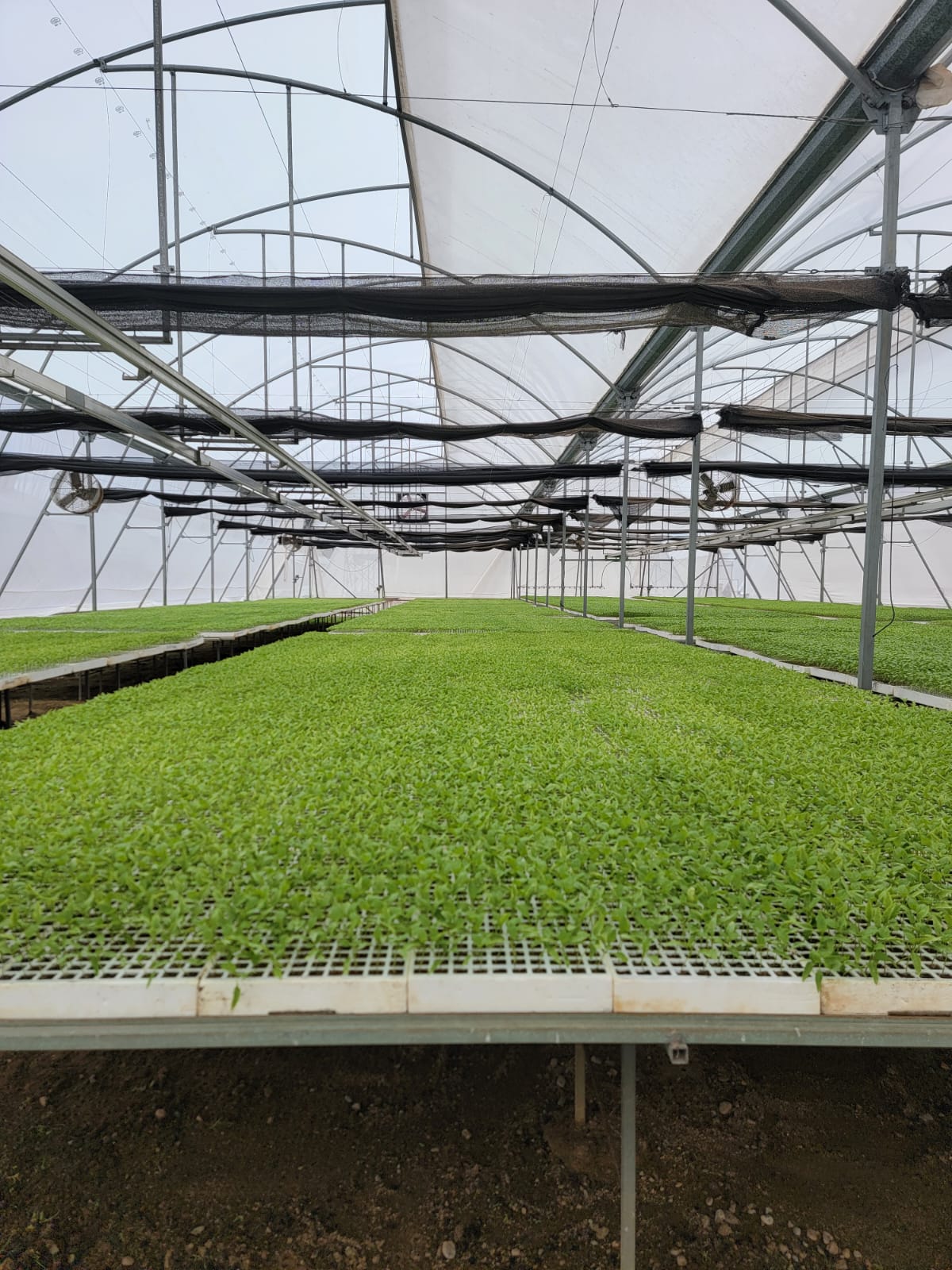
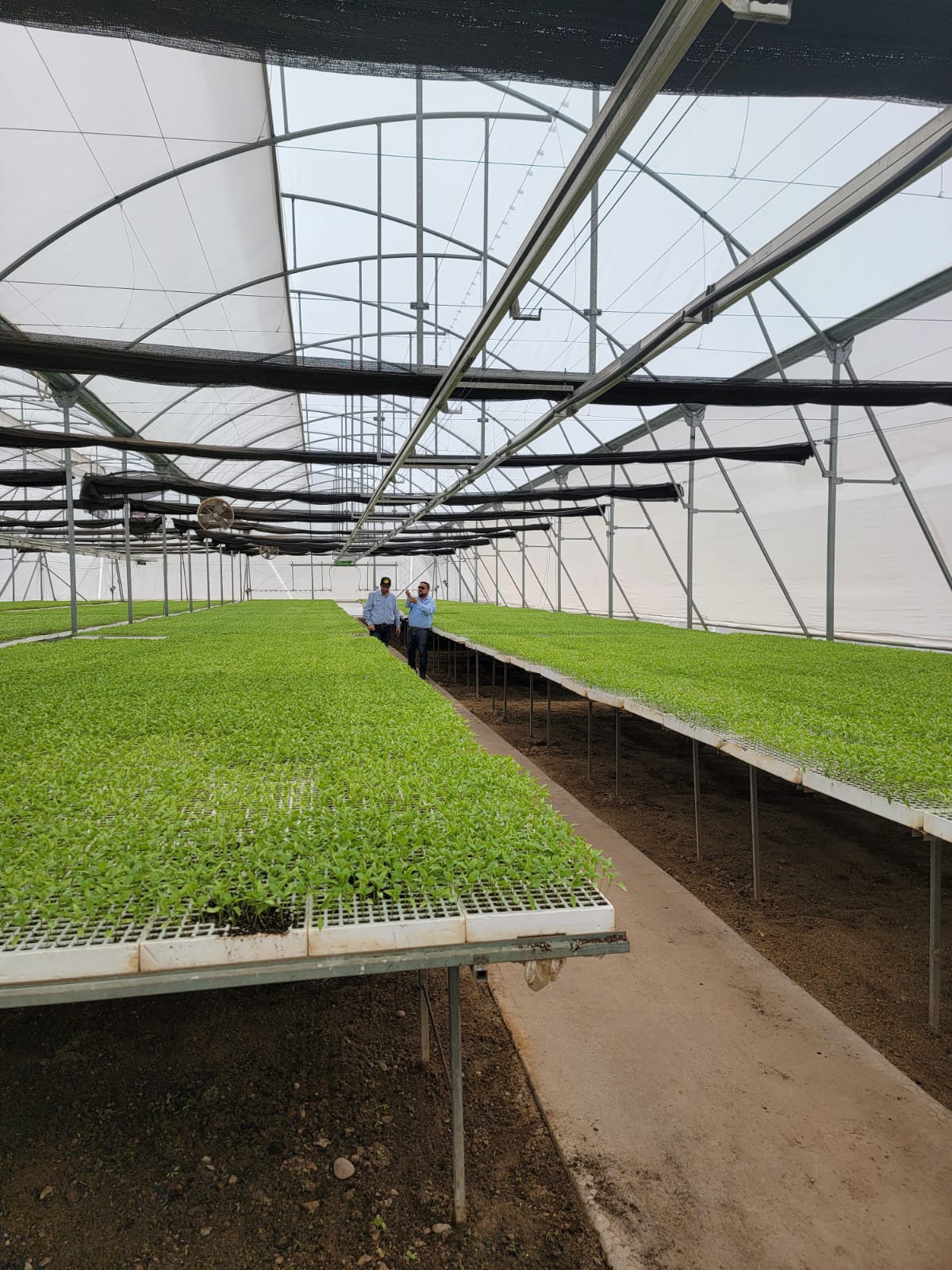
The tray is the first technical decision of any seed nursery, and one of the most underestimated. The number of cells determines how much substrate each plant has to develop its root: the more cells per tray, the smaller each cell and the smaller the root plug. Choosing well is not a cosmetic detail; it decides whether your seedling reaches transplant strong and uniform, or starts the cycle at a disadvantage.
What the cell count means
A 128-cell tray offers large cells and therefore a bigger root plug; a 288-cell tray packs far more plants into the same space, with small cells. Neither is better in the abstract: the right one matches the seed size, the vigor of the crop, and the time the seedling will spend in the nursery before it goes to the field.
As a general reference for protected agriculture, these are the four densities we work with and their typical use:
- 128 cells: large cell. Crops that want a strong root before transplant, such as cucumber, bell pepper, tomato and eggplant.
- 200 cells: the versatile standard. Most of the region's horticultural crops do well at this density.
- 242 cells: medium-high density. Hot peppers and Asian greens, where the seed is smaller.
- 288 cells: high density. Small seed and short cycles, such as Asian greens.
Root-plug volume matters more than the number
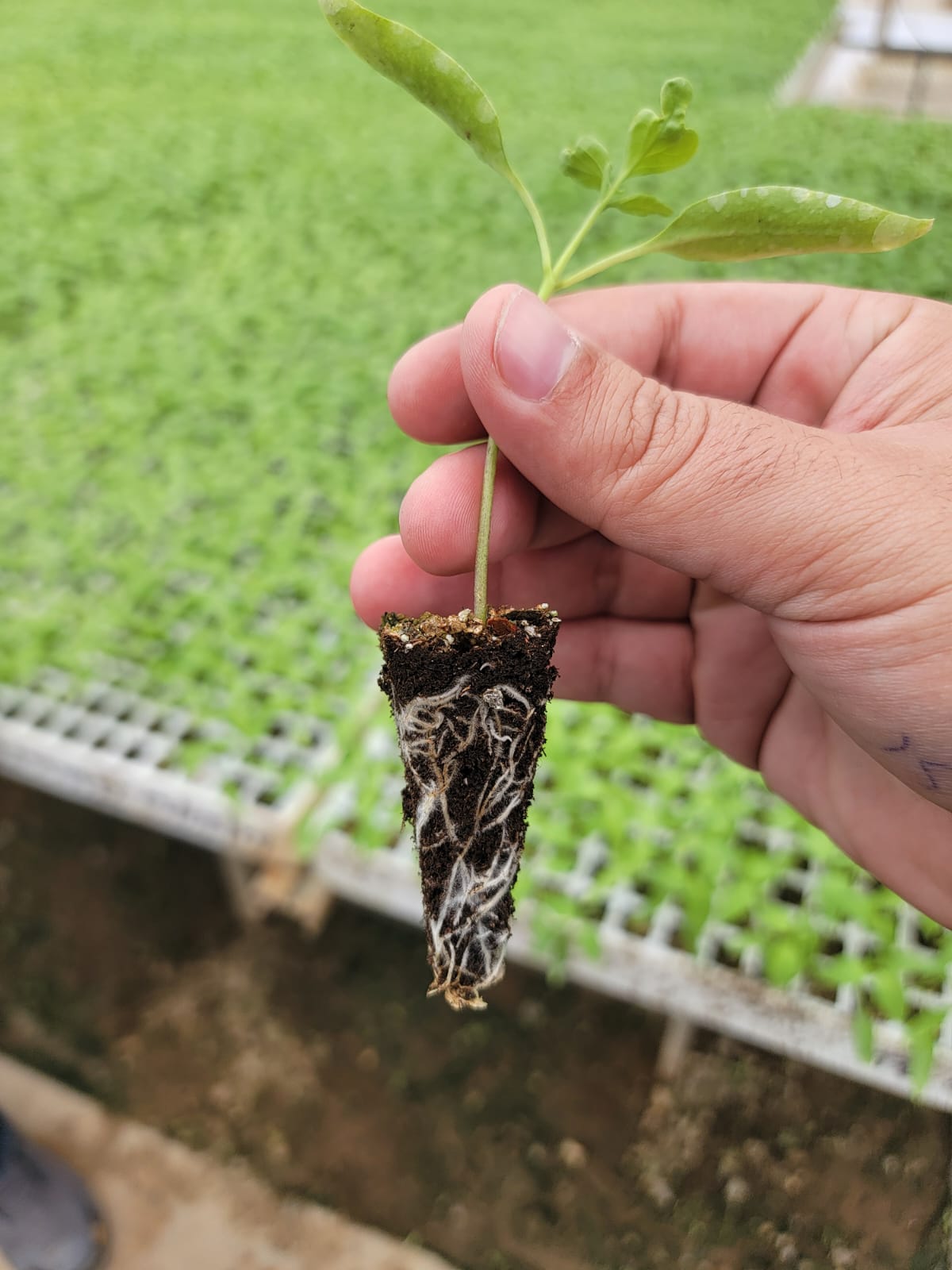
Regional technical sources recommend, for bell pepper, cells of between 25 and 45 cm³. Cells that are too small produce weak seedlings and tangled roots that are slow to establish after transplant, delaying crop establishment. That is why, when the goal is a strong root, it pays to lean toward fewer cells (a larger cell), even if fewer plants come out per tray.
A very small cell saves space in the nursery, but you pay for it in the field: a tangled root starts the cycle at a disadvantage.
Lined trays: why we use them
All our trays come lined, with an individual sleeve inside each cell. This makes it easy to lift the root plug without damaging the root, and it helps crop-protection management between cycles, because the tray is disinfected and reused without carrying problems from one cycle to the next.
In short
Choose the tray thinking about the root you want on transplant day, not just how many plants fit. If you grow cucumber, pepper, tomato or eggplant and want vigor, 128 or 200 is the starting point; for hot peppers and Asian greens, 242 or 288 make better use of the small seed. If you have doubts for your variety, message us and we'll confirm the tray and the schedule for your cycle.